> For the complete documentation index, see [llms.txt](https://support.thehairpinlegcompany.co.uk/llms.txt). Markdown versions of documentation pages are available by appending `.md` to page URLs; this page is available as [Markdown](https://support.thehairpinlegcompany.co.uk/table-legs/choosing-the-perfect-legs/choosing-legs-for-a-strong-and-stable-build/how-to-improve-stiffness-of-a-table-top/how-to-add-bracing-to-a-table-top.md).
# How to Add Bracing to a Table Top
## Box Section / Angle Iron Brace
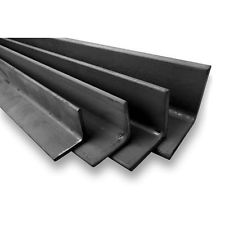
The cleanest way to fix this in most cases is with a steel support underside the table. Choose 1 or 2 lengths between 25mm and 50mm profile and screw it in along the underside of the table.
## Wooden brace
Much the same idea as above but this will require a bit more work on your behalf. We would suggest bracing with strips of wood approximately 5-10cm thick, forming the brace into a T-shape with the top.
## Wooden Skirt Brace
Traditional tables use have a wooden skirt fitted around the edge of the table. These add a lot of stiffness but care is required to ensure there is suitable leg space.
## Wood Movement
With all bracing options, wood movement should be considered. Solid wood grows and shrinks as the moisture content changes, primarily across the grain.